

Many drivers assume RV insurance works just like auto insurance. Others believe their existing policies already protect their motorhome or travel trailer. These assumptions often result in coverage gaps, unexpected costs, and frustration when filing claims.
Recreational vehicles require specialized protection that reflects their unique nature. The most common misconceptions about RV insurance coverage stem from confusion about how insurers classify, rate, and structure these policies. Once you understand what’s covered and what isn’t, you can choose protection that fits how you travel and live.
Below, we break down the most frequent misunderstandings and clarify what RV insurance typically includes.
Misconception #1: My Auto Insurance Covers My RV
Auto insurance protects cars and trucks designed primarily for transportation. RVs serve a dual purpose; they function as vehicles while also acting as temporary living spaces. This difference creates coverage gaps that standard auto policies don’t address.
If you drive a motorhome, you need liability coverage for road accidents. However, you also need protection for personal belongings, attached equipment, and interior damage. Standard auto insurance excludes these protections because they fall outside the scope of vehicle-only coverage.
Towable RVs create even more confusion. While your auto policy may extend liability coverage when you tow a trailer, it typically doesn’t cover physical damage to the trailer itself. That protection requires separate coverage designed for towable units. Without it, collision or comprehensive damage to your travel trailer becomes your financial responsibility.
Misconception #2: RV Insurance Only Matters If I Travel Full-Time
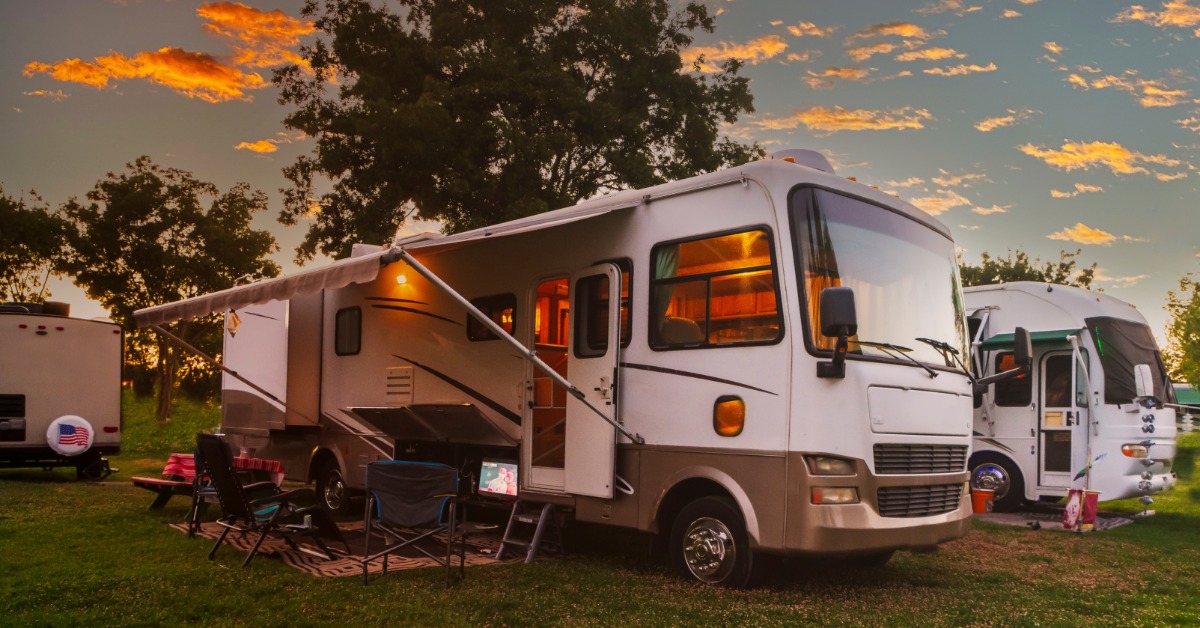
Some owners believe insurance only matters for those who live in their RV year-round. This assumption overlooks major risks that affect part-time travelers just as severely.
Even seasonal travelers face exposure to theft, vandalism, storm damage, fire, and collision. Storage locations introduce their own hazards: wind can cause structural damage, falling branches can crush roofs, and rodents can destroy electrical systems and insulation. These risks exist whether you’re traveling cross-country or storing your RV in your driveway.
Insurance companies often offer flexible options for occasional use, including seasonal policies or reduced-use discounts. However, skipping coverage leaves you financially vulnerable to repair costs that can easily reach tens of thousands of dollars. The frequency of your travel doesn’t eliminate the risks—it only changes when you’re exposed to them.
Misconception #3: Personal Belongings Inside the RV Are Automatically Covered
Many people assume their homeowners insurance extends to items stored in their RV. This assumption can create expensive surprises after a loss.
Homeowners policies sometimes provide limited off-premises coverage, but they often cap reimbursement amounts at a fraction of your total policy limits. Electronics, tools, sporting equipment, and recreational gear may fall outside standard coverage or face strict sublimits that don’t reflect their value.
Dedicated RV insurance often includes personal effects protection designed for travel. This coverage helps pay to repair or replace belongings damaged by covered events while you camp, travel, or store your RV. When comparing policies, review both the coverage limits and the types of items included. Make sure the protection aligns with the value of what you keep inside your RV.
Misconception #4: All RVs Require the Same Type of Policy
Insurance companies classify RVs differently based on design and usage. Motorhomes, travel trailers, fifth wheels, and pop-up campers don’t share identical risk profiles, which means they require different coverage approaches.
Motorhomes require liability coverage similar to car insurance because you drive them on public roads. They also need comprehensive and collision coverage for the vehicle itself, plus protection for the living quarters. Towable units require separate physical damage coverage that addresses their unique vulnerabilities during transport and storage.
Specialty policies may also include vacation liability coverage if you park your RV at a campsite for extended periods. This protection covers incidents that occur while the RV is stationary and being used as temporary lodging, situations that standard vehicle liability doesn’t address.
Owners who purchase camper trailer insurance should ensure the policy reflects how they use the unit. Weekend trips, long-term campground stays, and cross-country travel create different exposures. Matching the right policy to your RV type and usage pattern prevents gaps that could otherwise cost thousands in repairs or liability claims.
Misconception #5: Storage Means I Can Cancel Coverage
Some RV owners cancel coverage during the off-season to save money. While this decision reduces short-term expenses, it increases long-term financial risk.
Storage doesn’t eliminate hazards. Fire, theft, weather damage, and vandalism can occur whether you drive the RV or not. A tree can fall during a storm, a fire can spread from a neighboring structure, or thieves can target stored vehicles for valuable equipment. Without comprehensive coverage, you’d pay out of pocket for repairs or total replacement.
Many insurers offer storage or reduced-use options that lower premiums while maintaining essential protections. These policies recognize that parked RVs face fewer risks than those actively traveling, but they preserve coverage for the hazards that remain. Before canceling a policy, weigh potential repair costs against premium savings. In most cases, maintaining at least comprehensive coverage makes strong financial sense.
Misconception #6: RV Insurance Covers Everything Automatically
No insurance policy covers every possible situation. Each plan includes limits, exclusions, and deductibles that define what’s protected and what isn’t.
Common optional coverages you may need to add include the following:
- Roadside assistance for large vehicles
- Total loss replacement for newer RVs
- Vacation liability coverage at campsites
- Emergency expense coverage
Each addresses scenarios that basic policies often exclude. Reviewing these options helps you tailor protection to your needs. Without that review, you may discover too late that assumed coverage doesn’t exist. For example, some policies limit protection for custom upgrades, attached accessories such as bike racks or awnings, or high-value equipment such as generators and solar panels. Clarifying these details before a claim prevents costly surprises.
How To Make Sure Your RV Is Properly Covered
Start by identifying how often you travel, where you store your RV, and what you keep inside it. These details shape the type and amount of coverage you need. Next, review liability limits, physical damage coverage, personal effects protection, and optional add-ons.
Comparing multiple carriers reveals differences in coverage structure, pricing, and eligibility requirements. Because RV insurance varies widely between companies, one carrier’s standard package may look dramatically different from another’s. When you clarify details upfront, you avoid any misconceptions about RV insurance coverage.
Get The Right RV Insurance for Your Travels
RVs open the door to flexibility, adventure, and independence. The right insurance policy supports that freedom. If you feel unsure about your current coverage, review your policy with a knowledgeable advisor. Saferoad Insurance Services works with multiple carriers and helps California drivers compare options based on their situations. Whether you travel occasionally or frequently, the right protection will keep you focused on the road ahead. Contact us today to request a personalized RV insurance quote!