

Your first auto policy renewal can sneak up on you. One day, you sign up for coverage, and before you know it, the renewal notice lands in your inbox or mailbox. However, this moment gives you leverage—and it doesn’t have to be stressful. This is your chance to review your coverage, reassess your budget, and confirm that your policy still fits your life.
Many drivers let their policy renew automatically without a second thought. That approach feels easy, but it can cost more than you expect or leave you underinsured. You can take advantage of this checkpoint when you know how to prepare for your first auto insurance renewal.
What Is an Auto Insurance Renewal?
An auto insurance renewal marks the end of one policy term and the beginning of the next. Most policies renew every 6 or 12 months. Insurers review several factors tied to risk and cost before issuing the new term. They look at your driving record, claims history, location, vehicle details, and broader market conditions. Even if you drove carefully all year, your rate can still change. Renewals involve more than personal behavior, and knowing this helps you approach the process with realistic expectations.
Why Your First Renewal Matters
Your first renewal sets the tone for how you manage insurance going forward. It teaches you how rates change, how insurers communicate, and how much flexibility you have. Drivers who engage early often find it easier to manage costs over time.
Your renewal also reflects your transition from a new customer to an established one. Discounts, eligibility, and pricing structures can shift at this point. Treating it seriously builds good habits that pay off later.
When To Start Preparing for Renewal
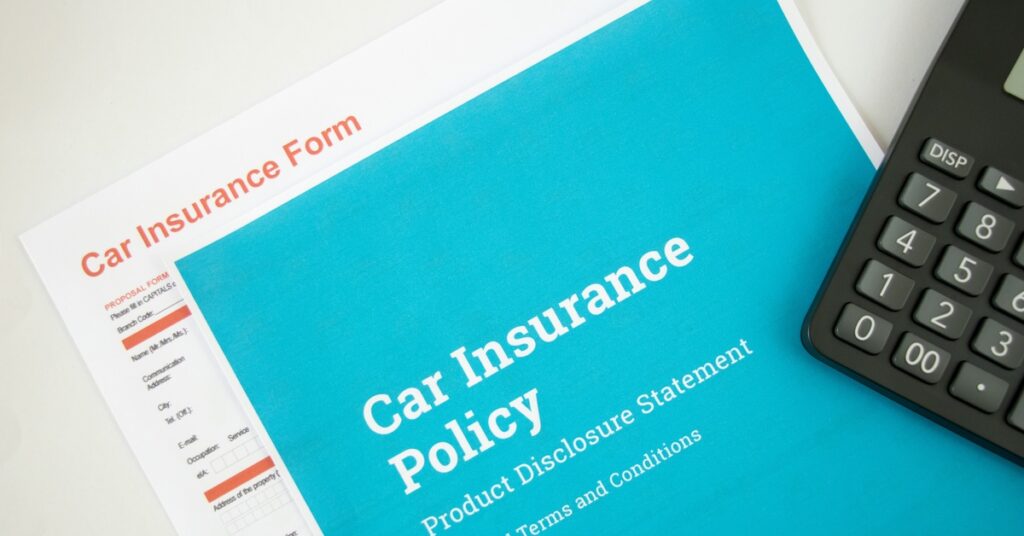
Timing determines how smooth your renewal feels. Aim to start preparing 30 to 45 days before your policy expires. That window gives you breathing room to review documents, ask questions, and compare options.
Pressure will build fast if you wait until the final notice arrives. Early preparation will help you avoid making rushed decisions, and it will give you enough time to switch policies if you choose to do so.
Review Your Current Policy Carefully
Pull out your declarations page, and read it from top to bottom. Focus on coverage limits, deductibles, and any optional protections you added when you first signed up. Ask yourself whether each piece still serves a purpose.
Life rarely stays the same for long. Changes in work, commute length, or household drivers often affect insurance needs. Reviewing your policy will ensure your coverage reflects your current reality.
Reevaluate Your Coverage Limits
Coverage limits protect you financially after an accident. If limits sit too low, you risk paying out of pocket after a serious claim. On the other hand, you may overpay each month if limits sit higher than necessary.
Consider your assets, income, and comfort level with risk. Many drivers choose to adjust limits as they gain experience or financial stability. Policy renewal offers a natural moment to make those changes.
Look Closely at Your Driving Record
Your driving record impacts renewal pricing. Tickets, accidents, and claims from the last term often influence your new rate. Even a single incident can shift how insurers evaluate risk.
If you maintained a clean record, you may qualify for better pricing or new discounts. Knowing what appears on your record ahead of time will help you understand any rate changes and spot errors quickly.
Consider How Your Vehicle Has Changed in Value
Vehicles depreciate faster than many drivers realize. A car that justified full coverage last year may no longer need the same protection today. Check your vehicle’s current market value, and compare it to your coverage costs. If your car’s value dropped, adjusting collision or comprehensive coverage could reduce your premium. This step often reveals savings that drivers overlook.
Understand Rate Changes Before You React
Seeing a higher renewal rate can feel frustrating. However, rate increases do not always connect to individual behavior. Insurers adjust pricing due to inflation, repair costs, and regional accident trends.
Ask for a clear explanation if your premium changed. A trustworthy auto insurance provider should explain adjustments in plain language and help you explore alternatives. Understanding the “why” makes decisions easier.
Compare Quotes Before You Commit
Renewal season gives you permission to shop around. Comparing quotes does not cancel your current policy or damage your credit. It simply provides insight. Match coverage levels as closely as possible when comparing. Price alone does not tell the full story, and a cheaper policy with weaker coverage may cost far more after an accident.
Ask About Discounts
Discounts change as your driving history and lifestyle change. That means you may qualify for savings that did not apply during your initial term. Safe driving, low mileage, or policy bundling often unlock new discounts.
Do not assume insurers apply every discount automatically. Ask directly, and confirm they appear on your renewal quote. A short conversation can secure meaningful savings.
Decide Whether To Adjust Deductibles
Deductibles shape monthly premiums and out-of-pocket costs. A higher deductible lowers your premium but increases upfront costs after a claim. A lower deductible does the opposite. Choose deductibles based on your financial cushion. If you can comfortably handle a higher deductible, raising it may reduce your premium without increasing stress. Make sure to balance affordability with preparedness.
Review Payment Options and Policy Terms
Renewal also offers a chance to revisit how you pay for insurance. Monthly, quarterly, and paid-in-full options all affect cash flow. Sometimes switching payment frequency reduces overall cost. Also, check for fees tied to installment plans or late payments. Small administrative costs can add up over time. Understanding payment structure helps you avoid surprises.
Avoid Common First-Time Renewal Mistakes

Many drivers rush through their first renewal and miss opportunities to improve coverage or lower costs. Others focus only on price and overlook protection quality. Both approaches increase risk. Slow down, ask questions, and review details carefully. Insurance works best when it fits your needs.
Use Renewal as a Financial Habit
Treat renewal as a recurring financial habit. Annual or semiannual reviews help you stay aligned with your budget and goals. Over time, this habit builds confidence and control. Drivers who actively manage renewals often feel less anxiety around insurance decisions. Preparation replaces uncertainty with clarity.
Preparing for the Road Ahead
As your policy term ends, remember that preparing for your first auto insurance renewal requires awareness, adequate timing, and thoughtful review. This moment allows you to confirm coverage, control costs, and protect your finances more effectively. Renewal is a useful tool when you use it wisely.
If you want help reviewing your renewal or exploring better options, Saferoad Insurance can help. Our team works with drivers across California to find coverage that fits real lives and real budgets. Reach out today to turn your first renewal into a smart, confident decision.