
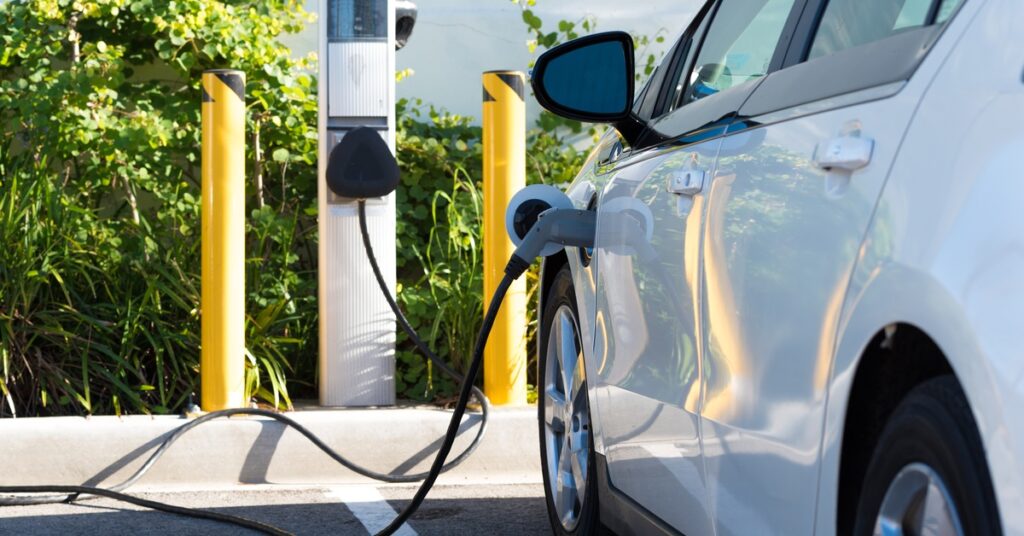
Electric vehicles continue to gain attention from drivers across California, especially among people who want lower fuel costs and modern technology. As more EVs hit the road, drivers also face coverage questions that traditional car owners may not consider. From battery protection to repair availability, electric vehicles come with risks and expenses that standard policies may not fully address. Understanding the unique auto insurance needs of electric vehicle owners helps drivers choose protection that matches the way these vehicles operate and the costs associated with owning them.
Why Electric Vehicles Require Different Insurance Considerations
Electric vehicles differ from gas-powered vehicles in several important ways. Their batteries, charging systems, onboard software, and specialized parts create unique repair and replacement concerns. Insurance companies evaluate those factors when determining coverage options and premiums.
One major difference involves repair costs. Many EVs require technicians with specialized training, and repair shops may need manufacturer-approved equipment to service them properly. Even a relatively small accident can result in higher repair expenses because sensors, cameras, and battery systems often sit beneath body panels. Insurance coverage should account for those costs so drivers avoid large out-of-pocket expenses after a collision.
Replacement part availability also affects electric vehicle insurance. Some EV parts may take longer to source, which can increase rental car expenses or repair delays. Drivers should review whether their policy includes rental reimbursement coverage that accommodates longer repair timelines.
Battery Protection Matters More Than Many Drivers Realize
The battery remains one of the most expensive components in an electric vehicle. Damage from accidents, flooding, fires, or electrical issues can lead to significant repair bills. Because battery replacement costs can be substantial, EV owners should carefully review how their insurance policy handles battery damage.
Some policies cover batteries differently depending on whether the driver leases the battery or owns it outright. Drivers who lease batteries through manufacturers should confirm whether their insurer coordinates properly with the leasing agreement. Failure to understand those details can create confusion during a claim.
Environmental risks also matter for battery protection. California drivers may encounter flooding, extreme heat, or wildfire conditions that can impact EV performance and safety. Comprehensive coverage helps protect against non-collision events that could damage sensitive electrical systems or battery components.
Charging Equipment Coverage Often Gets Overlooked
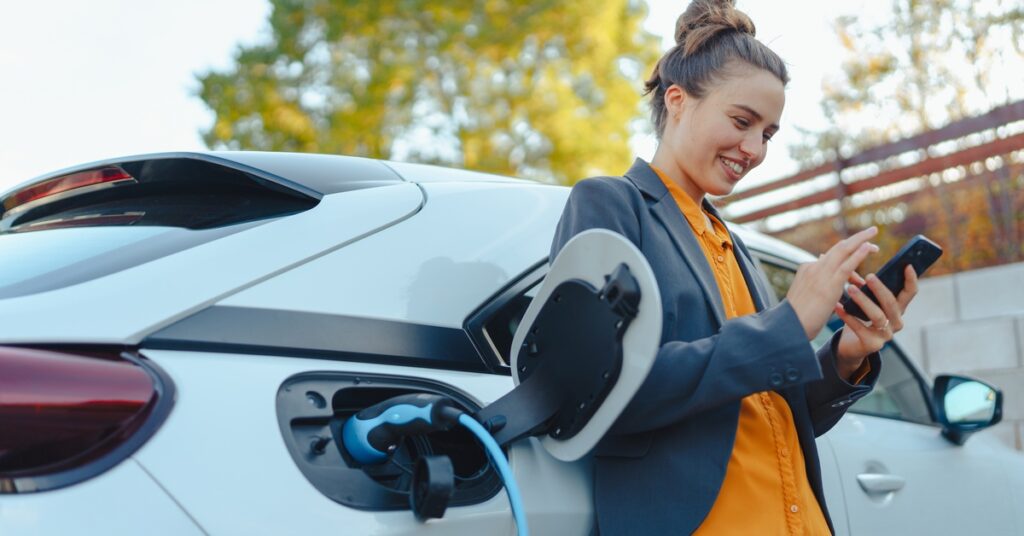
Many EV owners install home charging stations to make daily charging more convenient. While drivers often focus on insuring the vehicle itself, they sometimes forget about the charging equipment connected to the home.
A charging station may qualify for limited protection under a homeowners policy, but coverage limits may not fully replace damaged equipment after power surges, vandalism, or storms. Some drivers choose additional endorsements or expanded property coverage to better protect charging systems.
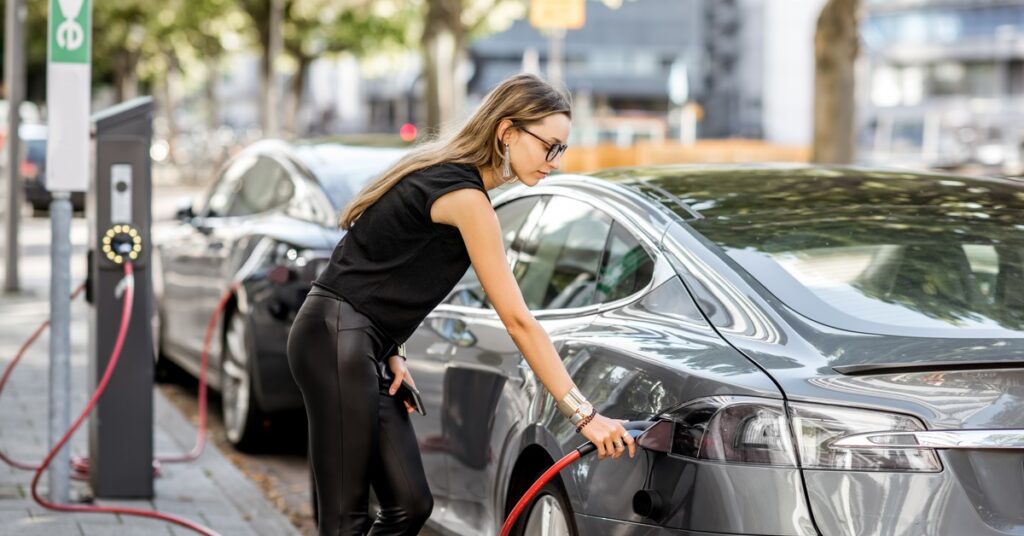
Public charging introduces another layer of concern. Damage caused by faulty charging equipment or electrical malfunctions may create liability questions that standard auto policies do not always address clearly. Drivers should discuss these situations with an insurance professional who understands EV-related risks.
Advanced Technology Can Increase Claim Costs
Electric vehicles rely heavily on technology features that improve convenience and safety. Many models include driver-assistance systems, cameras, sensors, touchscreens, and software-controlled functions. While these features help drivers avoid accidents, they can also increase repair expenses when collisions occur.
For example, a damaged bumper on an EV may require recalibration of multiple sensors instead of a simple replacement. Windshield repairs may also involve recalibrating cameras tied to lane-assist systems or automatic braking features. These added procedures increase labor costs and extend repair times.
Software updates present another consideration for EV owners. Certain repairs may require manufacturer software integration before the vehicle operates correctly again. Insurance companies familiar with EV technology often provide better guidance regarding approved repair facilities and specialized claim handling.
Range Anxiety and Roadside Assistance Coverage
Range anxiety remains a concern for some electric vehicle owners, especially those who travel long distances or drive in areas with limited charging infrastructure. Insurance policies that include roadside assistance can provide valuable support when charging issues arise unexpectedly.
Traditional roadside coverage may not always address EV-specific needs. Towing requirements for electric vehicles differ because improper towing methods can damage the drivetrain or battery system. Drivers should confirm whether their roadside assistance provider understands EV towing procedures and can transport the vehicle to an appropriate charging location or repair facility.
Some insurance companies also offer roadside services tailored specifically for EVs, including mobile charging assistance or specialized towing support. Those options can provide added peace of mind for drivers who depend heavily on their electric vehicles for commuting or travel.
Insurance Costs Depend on More Than Vehicle Price
Many drivers assume electric vehicles automatically cost more to insure because of their purchase price. While some EVs carry higher premiums, insurers evaluate several additional factors when calculating rates.
Repair complexity, replacement part costs, theft risk, accident data, and safety technology all influence pricing. Some EVs may qualify for discounts because advanced safety features help reduce accident frequency. Other models may cost more because repairs require expensive components or certified repair facilities.
Driver history still plays a major role in premium calculations. Younger drivers, newer drivers, or drivers with violations may face higher rates regardless of whether they drive electric or gas-powered vehicles. Working with an independent insurance agency gives drivers access to multiple coverage options that fit their budget and driving profile.
Finding Coverage That Fits Your Lifestyle
Not every electric vehicle owner uses their vehicle the same way. Some drivers commute daily through heavy California traffic, while others use EVs primarily for local errands or weekend travel. Insurance policies should reflect how the vehicle operates in real life.
Drivers who rely on public charging may prioritize roadside assistance and rental reimbursement coverage. Families with home charging systems may want stronger property protection. Owners of luxury EVs may benefit from policies that include original manufacturer parts coverage or gap insurance.
An experienced insurance professional can explain how different policy options apply to electric vehicles. That guidance helps drivers avoid gaps in protection while keeping coverage aligned with their financial goals.
Choose the Right Protection for Your EV
As electric vehicles continue to reshape the auto industry, drivers need insurance policies that reflect the realities of EV ownership. Understanding the unique auto insurance needs of electric vehicle owners allows drivers to protect their investment while preparing for the specialized repair and coverage concerns that come with modern vehicle technology.
Saferoad Insurance can help drivers compare policies and find the best auto insurance in California for their electric vehicle, driving history, and financial needs. Our team works with multiple insurance carriers to help you find coverage that fits your situation and budget. Start a quote today!